

Why Is My Electric Bill So High? Hidden Electrical Problems Could Be the Cause.
Wondering why your electric bill has skyrocketed recently? Sometimes hidden electrical problems can quietly drive bills up over time. If you’re asking yourself, “Why is my electric bill so high?” keep reading. We’re going to share the top hidden electrical problems and tips for saving on energy consumption in both summer and winter.
Why You May Have High Electric Bills in Summer or Winter
There are plenty of reasons why you might experience unusually high electric bills at home. These hidden electrical problems range from outdated electrical panels and wiring to incorrectly installed circuits. Let’s explore these common residential electrical problems in detail.
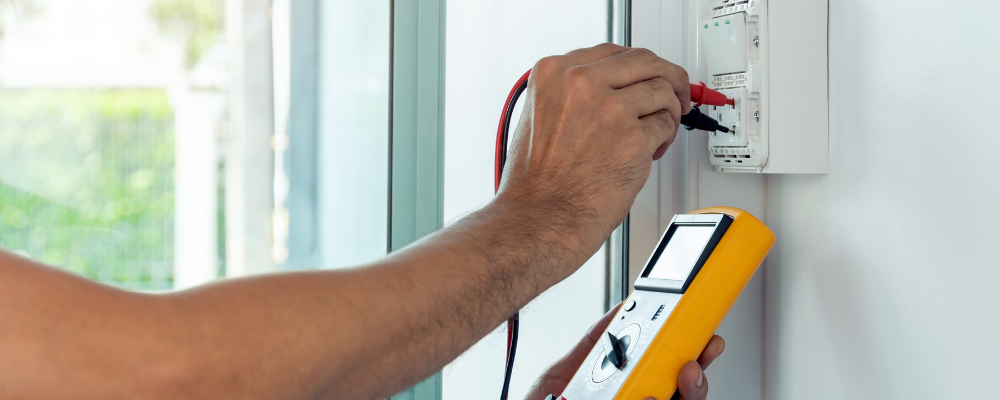
Outdated Wiring
Outdated wiring is often the culprit for high electric bills. Wiring from before the 1980s wasn’t built to handle today’s modern electrical loads. With computers, TVs, smart devices, and high-draw appliances, old wiring just can’t handle the added load. Worn wiring made from outdated materials loses efficiency over time and can even leak electricity as heat. Eventually, this causes your system to work harder and forces your electrical bill to rise.
Undersized or Aging Electrical Panels
Your electrical panel is the heart of your home’s power. If your electrical panel is undersized or aging, it might not meet your power demands effectively. Undersized and aging electrical panels often struggle to distribute electricity efficiently. If your panel is more than 20 years old, it’s time for an inspection and maybe an upgrade.
Failing Appliances
When appliances fail, they operate much less efficiently and can drive up electricity bills. For example, a refrigerator with a failing compressor or an HVAC system with a struggling blower motor pulls more electricity to do its job. If you notice that a specific appliance’s energy use is steadily increasing without an obvious reason, it may be failing.
Vampire Loads
Vampire loads, also known as phantom loads, refer to the electricity that devices draw when they’re turned off or in standby mode. The most common offenders include TVs, gaming consoles, alarm clocks, and kitchen devices with digital displays. The draws from these devices may seem small individually, but together, they can add up to a noticeable difference in your monthly electric bill.
Incorrectly Installed Circuits
When circuits aren’t installed correctly, they can cause a ton of inefficiencies, such as overloaded circuits and energy loss. Circuits that are incorrectly installed can easily impact your electricity costs. Additionally, incorrect wiring can cause safety hazards and should be inspected by a licensed electrician as soon as possible.

Energy-saving Tips for Homeowners
Now that you understand the common reasons for increased electric bills, let’s explore some energy-saving tips.
- Unplug idle electronics: Avoid vampire loads by unplugging devices you’re not actively using or use smart power strips to cut off phantom loads automatically.
- Schedule a home energy audit: A licensed electrician can identify inefficiencies you might not notice.
- Upgrade older appliances: It’s a great idea to upgrade aging appliances to ENERGY STAR-certified models.
- Get an electrical panel inspection: If you have an older home, an electrical panel inspection can reveal whether an upgrade is necessary.
- Use a programmable or smart thermostat: Avoid heating or cooling an empty house with remote access to your HVAC system using a smart or programmable thermostat.
Powering Pacific Northwest (PPNW) connects homeowners to licensed electrical professionals in Oregon and Southwest Washington. Our contractors are safety-minded, highly skilled, and insured for peace of mind.
Save on home electric bills by working with a PPNW electrical contractor. PPNW pros can help you identify hidden electrical problems and lower your power costs with energy-efficient upgrades. Whether you need residential or commercial electrical services, PPNW can help. Find a residential electrician near you today.

